Resources

This toolkit helps countries and partners build systems and safeguards to ensure carbon markets deliver credible and inclusive outcomes.
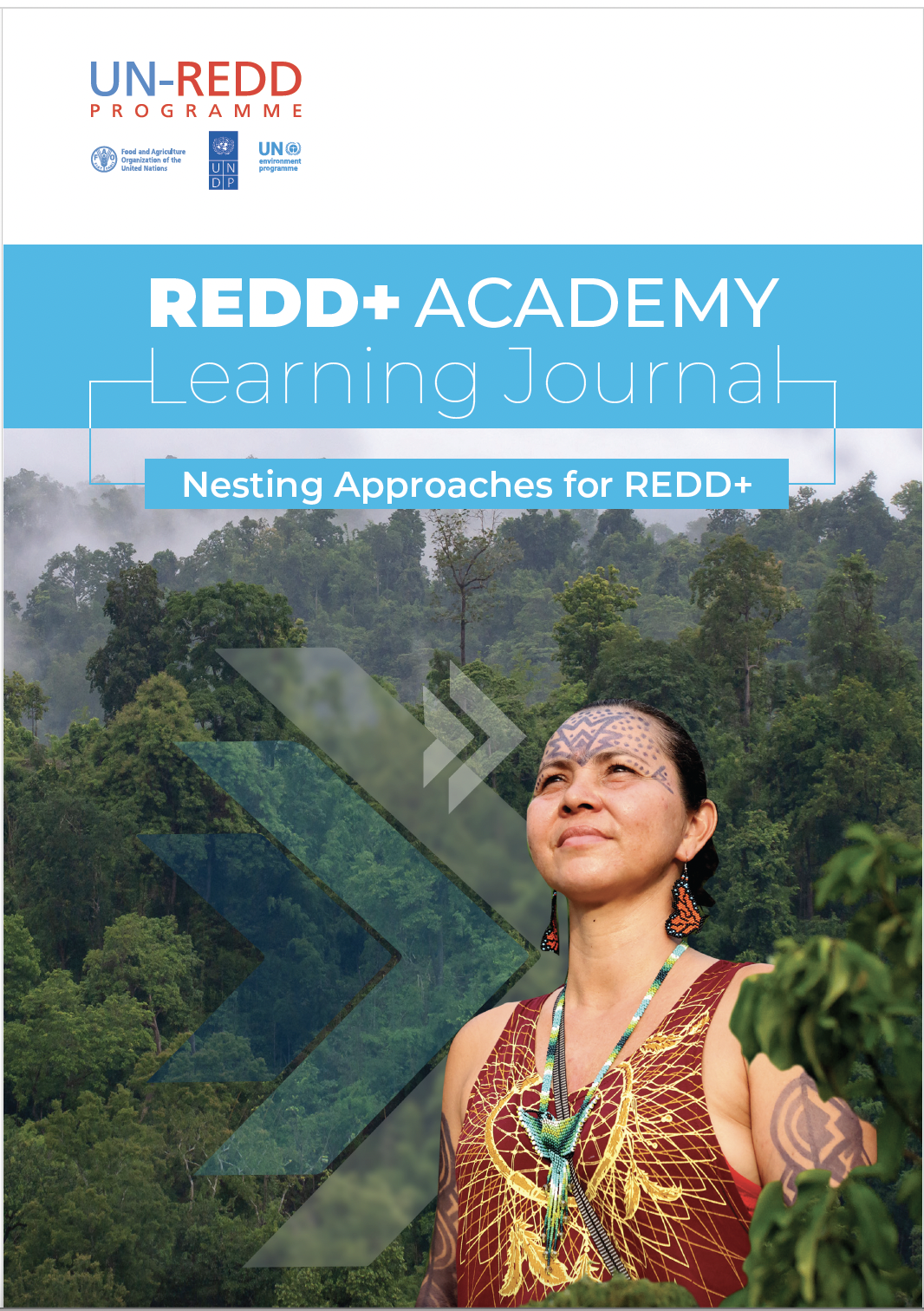
This new report provides case studies from five countries that have implemented REDD+ results-based payments projects.
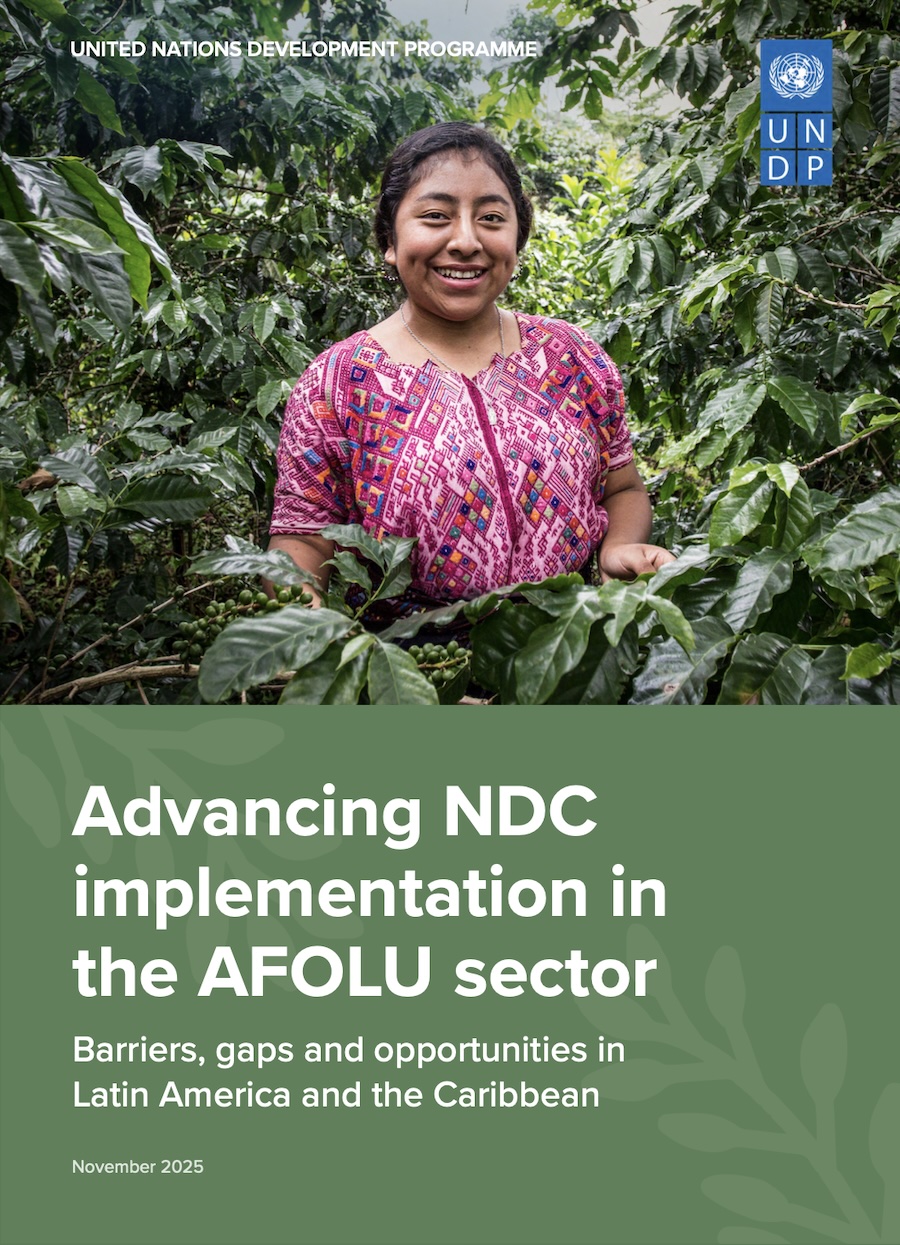
This report examines how countries in the region are integrating AFOLU priorities into their climate strategies.
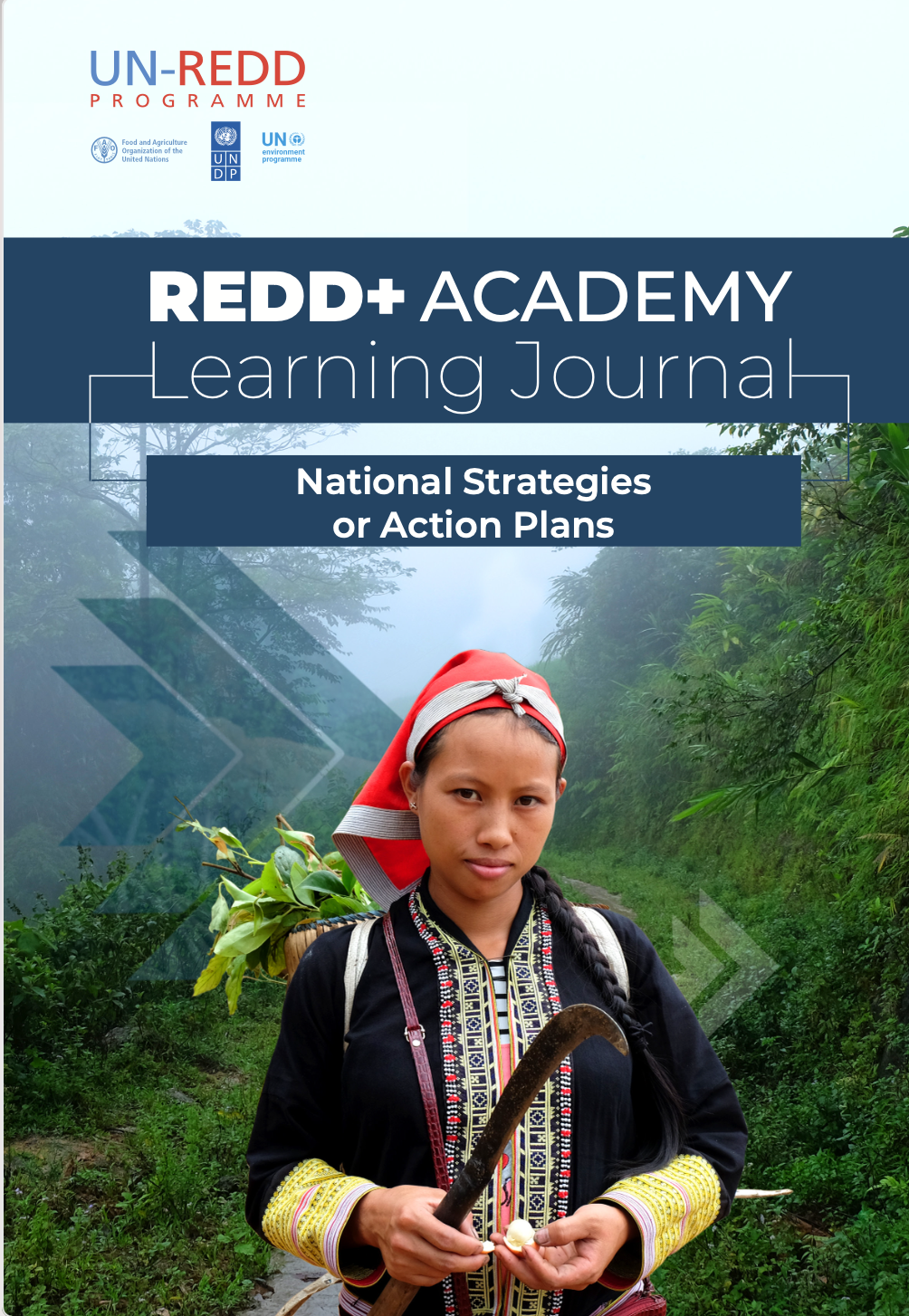
Nesting approaches for REDD+
redd+ academy nesting
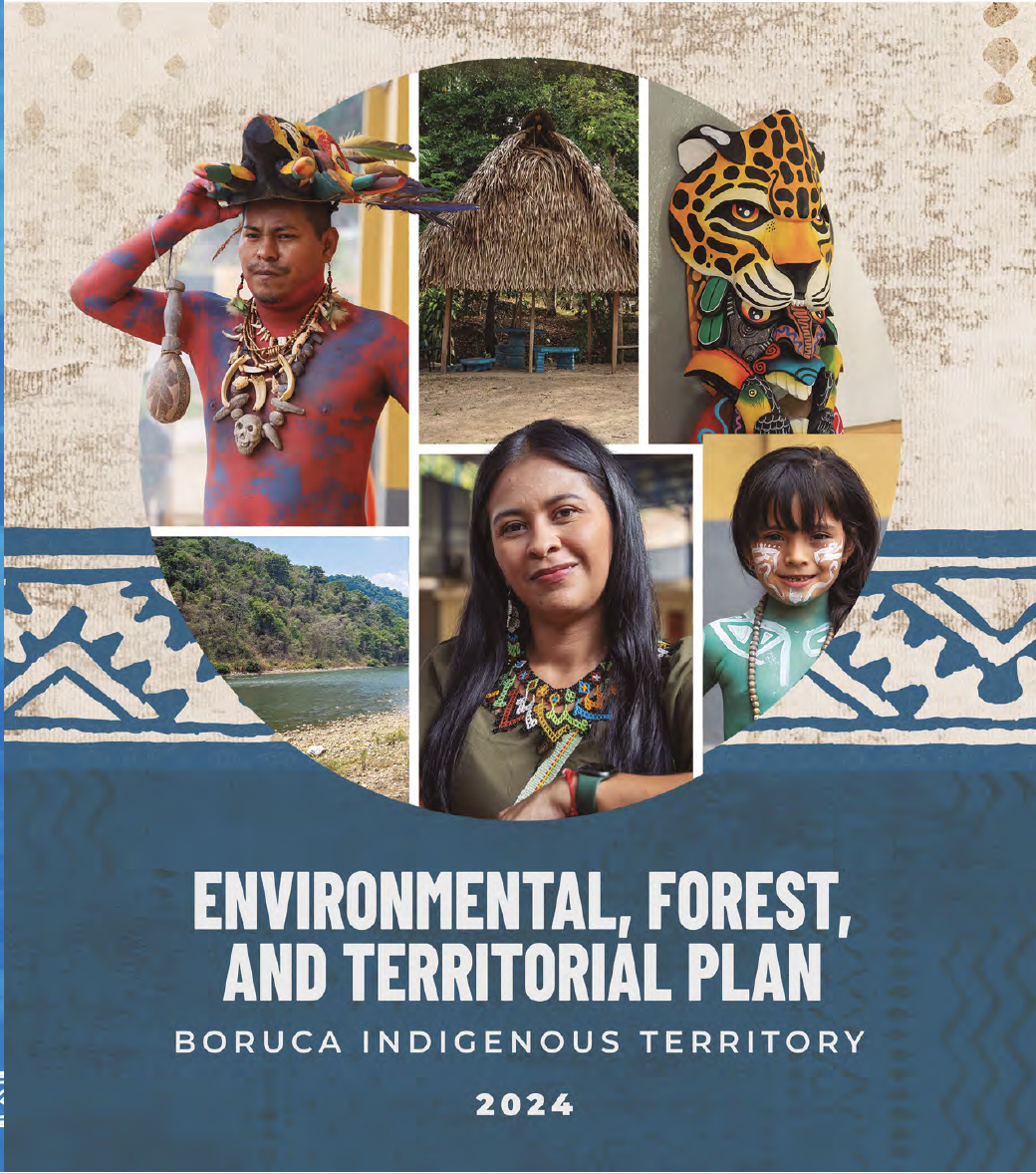
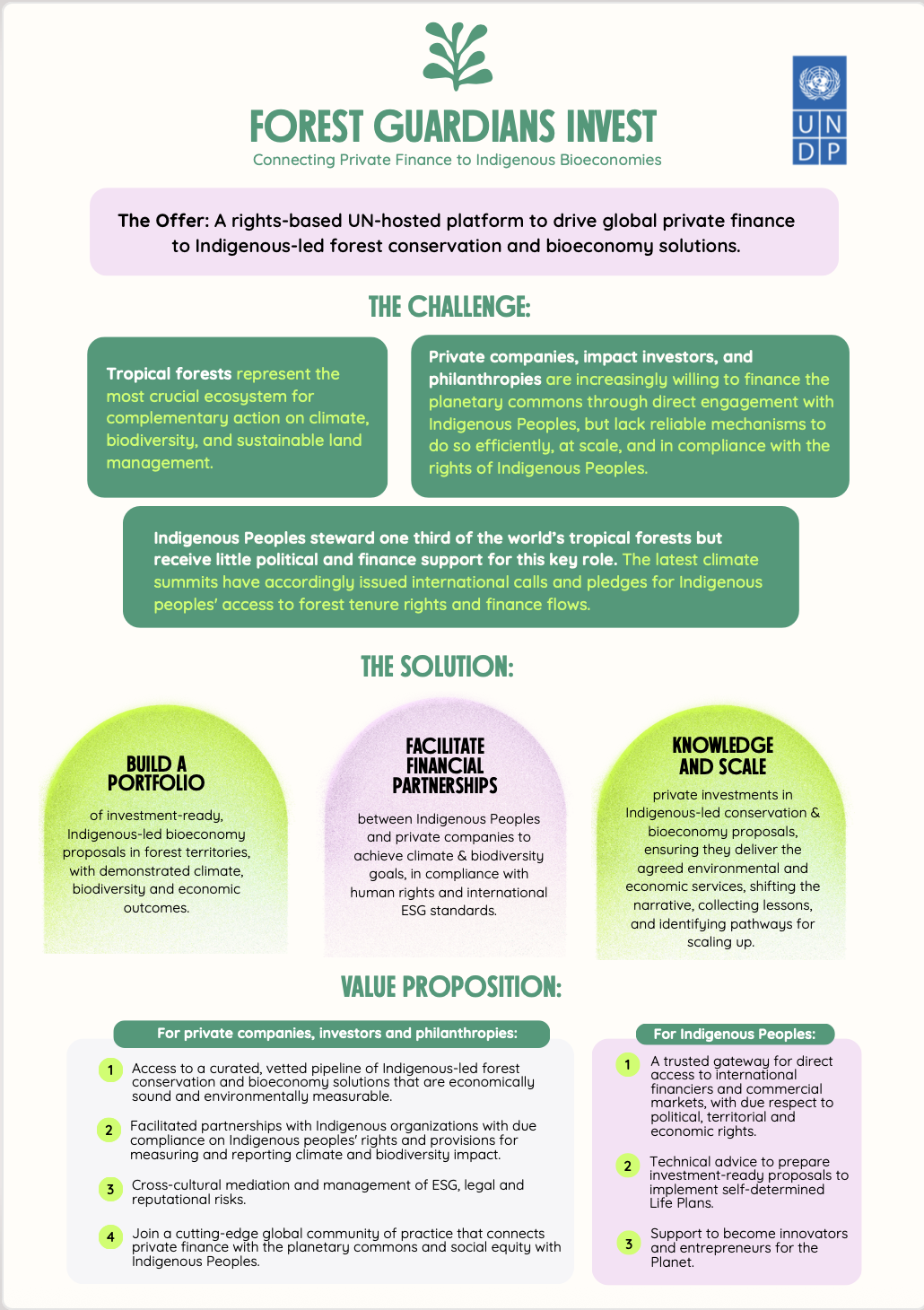
Plans developed with Indigenous territories in Costa Rica.
cover image
Facilitator’s guide developed by WWF México for the implementation of GCFTF.
The publication explores the integration of digital technologies into Payments for Environmental Services (PES) schemes. PES is a results-based financing mechanism that incentivizes local communities, farmers, and Indigenous Peoples to engage in environmental conservation and restoration activities. The report underscores the potential of leveraging Digital Public Goods (DPG) and Digital Public Infrastructure (DPI) to enhance the scalability, efficiency, and effectiveness of PES programs.
Designing Digital Systems
The Voluntary Carbon Markets Integrity Initiative (VCMI), the Government of Yucatán through its Secretariat of Sustainable Development (SDS), Climate Focus, and UNDP have partnered in the development of this “Best Practice Guide for Developing Projects in the Voluntary Carbon Market (VCM) in Yucatán”. The Guide was developed to support the State of Yucatán in its climate and forest policy priorities of ecosystem conservation and restauration and to boost social and environmental integrity in carbon markets.
Yucatan

This quarterly report presents the aggregated global information of the 63 countries currently included in PLANT, presented through countries' GHG emissions profiles, current information on Nationally Determined Contributions (NDCs), Warsaw Framework for REDD+, transparency, carbon market potential, and other assessment categories.

COVER IMAGE
Guidance for governments to implement NDCs in line with sustainable climate pathways.
cover image

This document is available in French only.

cover image

In recent years, the Government of Costa Rica has recognized the importance of promoting gender equality and women empowerment in the conservation and sustainable use of forests. Costa Rica recognizes that promoting gender equality implies not only mentioning the issue as a priority or as a principle, but also prioritizing the identification of relevant gender inequalities and proposing concrete actions to address them.